Introduction to Security Cameras
In today’s rapidly evolving world, the importance of security cameras in protecting properties cannot be overstated. Both residential homes and commercial establishments face numerous threats, ranging from theft and vandalism to potential safety breaches.
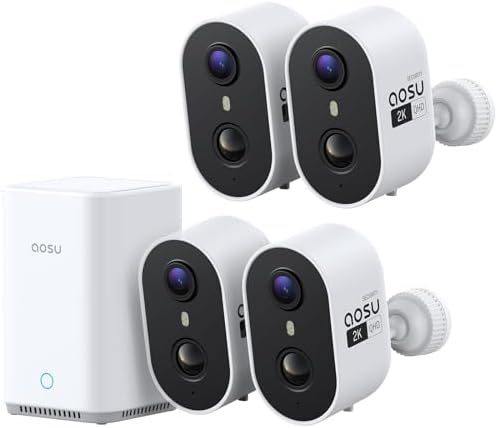

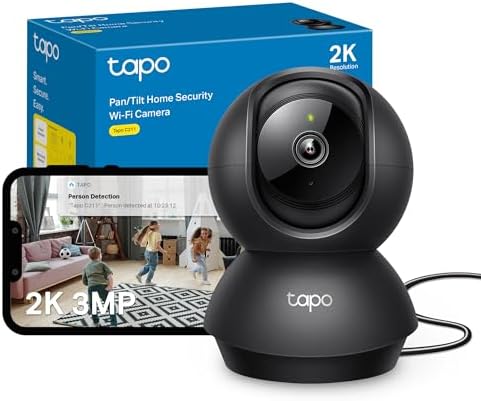
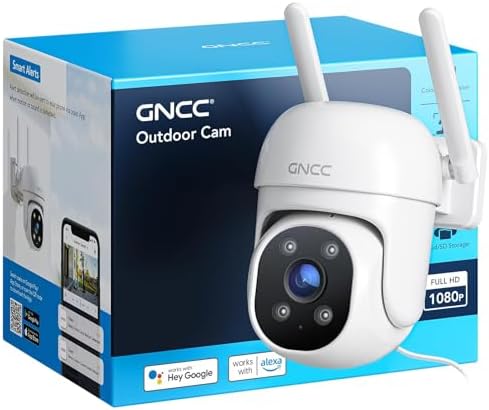


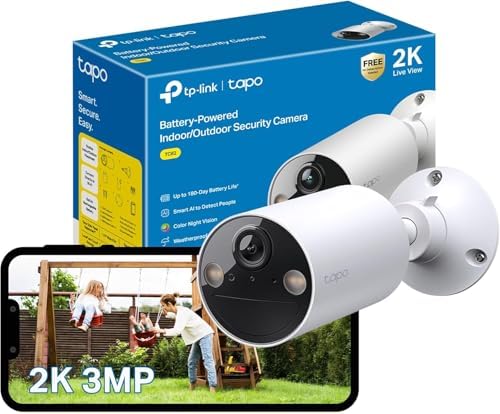


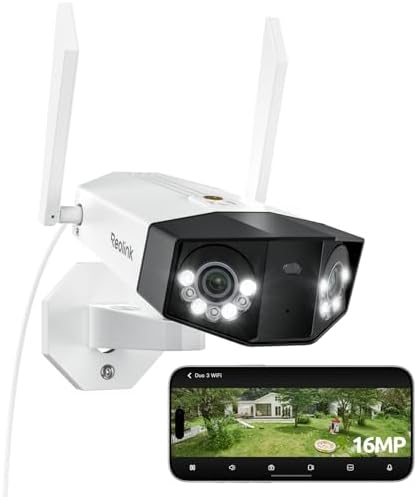

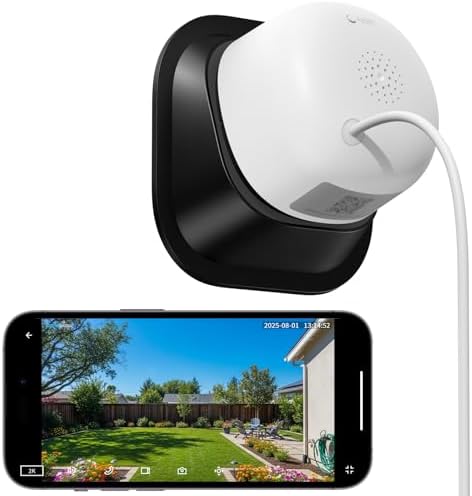
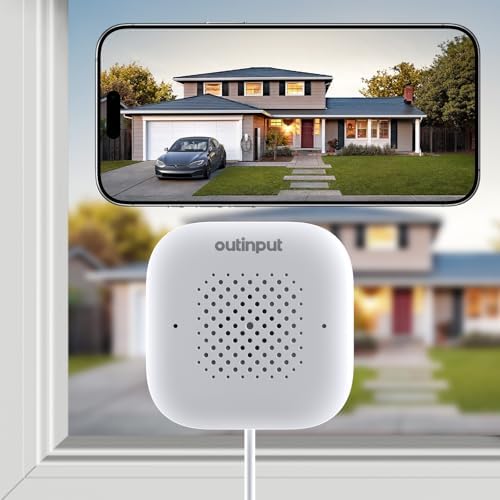
As security concerns continue to rise, investing in robust security solutions, including well-placed surveillance cameras, has become a necessity for many. These devices serve a dual purpose: not only do they help deter criminal activity, but they also provide peace of mind for property owners.
Security cameras act as a formidable deterrent to crime. The visible presence of these devices can discourage potential intruders from targeting a property, knowing that their actions are being recorded. This deterrent effect is particularly beneficial in residential neighborhoods and commercial areas alike, as it fosters a sense of safety among the community. Moreover, in the event of an incident, security cameras provide invaluable evidence that can be crucial for law enforcement and insurance claims, thereby enhancing the overall security strategy of any property.
Aside from crime prevention, security cameras offer a variety of additional benefits. Modern advancements in technology allow for features such as remote monitoring, enabling property owners to keep an eye on their premises from virtually anywhere via smartphones and computers. This capability ensures that individuals can respond swiftly to any irregularities. Furthermore, many security cameras now integrate smart technologies, providing advanced functionalities such as motion detection, night vision, and cloud storage for recorded footage.
As we delve deeper into this topic, understanding the various aspects and types of security cameras is crucial for making an informed decision. Their significance in maintaining safety standards and promoting a secure environment cannot be overlooked, making them an essential part of any effective security plan.
Key Features to Look For
When choosing a security camera to safeguard your property, several essential features should guide your decision. One of the most critical aspects is video quality, often defined by the resolution of the camera. High-definition (HD) cameras, particularly those offering 1080p or 4K resolution, provide clearer and more detailed images, essential for identifying individuals and features in monitored areas.
Another important factor is the field of view. A wider field of view allows a single camera to cover more area, reducing the number of units required to secure a space effectively. Look for cameras that offer a field of view of at least 90 degrees, which will provide broader coverage without sacrificing image quality.
Night vision capabilities are also crucial, especially for outdoor installation. Infrared (IR) night vision cameras can capture footage in low-light conditions, ensuring that your property remains monitored during nighttime hours. Some modern cameras use color night vision technology, which can enhance visibility significantly in darkness.
Motion detection is a feature that enhances security by alerting you to unusual activity in real-time. Most contemporary security cameras include customizable motion detection zones and sensitivity levels, allowing users to avoid false alarms triggered by non-threatening movements, such as pets.
Storage options must be considered as well. You can choose between local storage solutions such as microSD cards or cloud storage services, which provide off-site data management. Each option has its advantages and considerations regarding cost, accessibility, and security.
For outdoor cameras, weather resistance is essential to ensure longevity. Look for cameras rated IP65 or above, which can withstand dust and various weather conditions.
Finally, additional features like two-way audio allow you to communicate through the camera, while smart home integration facilitates the seamless connection of your security system with other smart devices, enhancing your overall security strategy.
Top Security Camera Recommendations
When considering the best security cameras to protect your property, it is essential to evaluate various features, functionalities, and price points. Here are some of the top recommendations categorized into indoor cameras, outdoor cameras, and wireless options.
Indoor Cameras: The Amazon Blink Indoor is an excellent choice for home surveillance. With an impressive battery life and 1080p HD video quality, it offers a reliable solution for monitoring indoor spaces. The camera integrates seamlessly with Alexa, allowing for voice command functionalities. However, it lacks local storage, which may be a drawback for some users. An alternative is the Logitech Circle 2, notable for its versatility and exceptional night vision capabilities. This camera can be placed both indoors and outdoors, making it a great all-rounder.
Outdoor Cameras: For outdoor monitoring, the Arlo Pro 4 stands out with its advanced feature set, including 2K video resolution and color night vision. It is weather-resistant and equipped with a rechargeable battery, ensuring flexibility in installation. However, it requires a subscription for advanced features. Another strong contender is the Ring Floodlight Cam, which doubles as a security light and integrates security monitoring with motion detection alerts and two-way audio communication. Its visible security light acts as a deterrent, thus enhancing property safety.
Wireless Options: The Wyze Cam V3 is a budget-friendly wireless camera that does not compromise on quality. With color night vision and local storage capabilities, it provides excellent value for money. On the other hand, the Reolink Argus 3, known for its solar panel option, offers a sustainable solution for outdoor surveillance. It features 1080p video quality and flexible installation options. Both options are ideal for individuals looking to enhance their property’s security without extensive installation hassles.
These recommendations encompass a variety of security needs and budgets, catering to homeowners looking to enhance their protection through reliable surveillance equipment.
Installation and Maintenance Tips
To ensure optimal performance of your security cameras, proper installation and regular maintenance are crucial. First, it is vital to choose the right placement for your cameras to maximize coverage. Ideally, cameras should be installed at a height that avoids tampering yet allows for a clear view of entry points, driveways, and other critical areas. Consider placing them in well-lit areas to enhance image quality during nighttime.
Before installation, familiarize yourself with the camera’s specifications, such as resolution and field of view, to determine the best location. Avoid obstructing views with trees or other structures, and ensure that your camera’s lenses are free from dust and other potential obstructions. Additionally, ensure that cameras are weatherproofed and fitted securely to withstand environmental factors.
Once your cameras are installed, regular maintenance is essential. Schedule periodic checks to ensure that all cameras are functioning correctly. This includes reviewing footage to confirm that recordings are clear and uninterrupted. Most modern security systems offer software updates that enhance performance and security; therefore, keeping your software up-to-date is critical to safeguard your surveillance system against potential vulnerabilities.
Moreover, troubleshooting common issues, such as connectivity problems or poor image quality, can often be accomplished through simple adjustments or resets. Familiarizing yourself with the troubleshooting guide provided by the manufacturer can save time and prevent potential issues.
Lastly, it is imperative to consider privacy laws within your area. Familiarize yourself with local regulations regarding surveillance to ensure that your camera usage complies. Respect for privacy not only protects you legally but also fosters trust within your community. By adhering to these installation and maintenance tips, you can create a reliable security system that effectively safeguards your property.